KNOWLEDGE
In this section, you can read more about the relevant topics linked to Belongings and discover our archive of relevant knowledge sources.
What is circular economy?
1
Circular economy is a way of rethinking how we design, produce, use, and value products and materials. Instead of a linear model where we take, make and waste, a circular economy seeks to reduce environmental impact by keeping materials and products in use for as long as possible, at their highest value, while aiming to regenerate natural systems.
At its core, the circular economy aims to:
eliminate waste and pollution,
circulate products and materials at their highest value - e.g. through care, maintenance, repair and reuse,
regenerate nature,
and redefine a meaningful life with less consumption
Importantly, the circular economy is not just about recycling. Recycling is often regarded as one of the last options when dealing with products and materials. Greater impact lies in preventing waste in the first place and thereby thinking in an “upstream” manner i.e. designing durable, repairable products, avoiding unnecessary production, and questioning what we truly need to consume to begin with.
A circular economy also acknowledges its own limits. A fully closed, endlessly growing system is physically impossible, and efficiency gains can lead to higher overall consumption if behavior and systems do not change. Without addressing how and why we consume, “circular” solutions risk becoming business as usual — or even greenwashing.
Therefore, a meaningful circular economy requires a broader shift: redefining value, reducing material and energy use, and designing for ways of living well with less. It is not an end in itself, but one strategy among many for staying within the 9 planetary boundaries and creating a more sustainable and just society.
In this sense, the circular economy is as much a cultural and behavioral transition as a technical one — and design can play a key role in making this transition possible.
What is emotional durability?
2
Emotional durability describes a product’s ability to remain meaningful, relevant, and valued by one or more people over time. Rather than focusing only on the technical lifespan, emotional durability addresses the relationship between people and objects.
Coined by design researcher Jonathan Chapman, emotional durability refers to the long-term emotional connection that can develop between a user and a product. This connection may be rooted in identity, memory, craftsmanship, functionality, or personal experience. When an object matters to us, we tend to treat it differently: we care for it, repair it, adapt it, and live with its changes over time instead of replacing it.
Emotional durability can be seen in everyday practices — washing a garment carefully, mending it when it breaks, or holding on to an object because it carries stories or reflects who we are. __These emotional bonds can slow down consumption by reducing the desire to constantly buy new things, making emotional durability a powerful but often overlooked sustainability strategy.
In a world shaped by linear business models often including fast production and frequent disposability, emotionally durable design acts as an antidote. It shifts focus from short-term novelty to long-term attachment and asks deeper questions: Which objects do we truly value? Which ones stay with us — and why?
By designing for emotional durability, designers, producers, and users alike can help extend product lifetimes, reduce waste, and foster more thoughtful, caring relationships with the material world and expand the lifetime of our (scarce) resources.
The role of design
3
Design plays a crucial role in shaping how products, services, and systems affect the world. Around 80% of a product’s environmental impact is determined during the design and development phase. This means that design has significant potential to reduce negative environmental impacts — long before a product is manufactured or used.
Design is more than objects and aesthetics. It is a way of understanding problems and creating solutions. A design-driven approach can shape everything from physical products and materials to services, business models, and complex systems.
A typical design process begins with exploring and understanding a problem or context. Designers then define a direction, generate ideas, and create prototypes that can be tested, evaluated, and improved. This process is often repeated several times, allowing solutions to evolve through learning and feedback typically by involving a multidisciplinary team.
When design is applied to the circular economy, a long-term and holistic focus is necessary. Designers work to integrate circular strategies into both products and the systems around them — considering the entire life cycle i.e. sourcing of materials, how things are made, used, maintained, shared, repaired, and eventually taken apart ideally to enter new life stages.
Design-driven approaches can help make circular choices intuitive and attractive. It can help ensure that products are easy to care for, maintain, repair, and disassemble, and help integrate these parameters into the business models and systems around the products.
In this way, design becomes a powerful tool for change — not by simply creating “better” products, but by reshaping how we relate to materials, objects, and resources in a more responsible and sustainable way.
Where can I learn more?
4
If you wish to learn more about the topics, you can check out the archive and dive into the various recommendations we have lined up for you.
We also encourage you to go discover the “how to connect” section. Here, you can practice on your own body how it feels like to (re)connect with objects and resources.
The design challenge is to ensure that products last in the hands of their users, and not in the depths of a landfill site. It is our connection to products that fails, not simply the product itself. The kind of waste this experiential breakdown generates is a symptom of relationship breakdown between the user and the product. Through this emotional failure between people and things, value and connection “break,” leading to the discarding of the outgrown object by the transcendent other. Landfill sites are stuffed full of these kinds of “broken” things, which function as well as they did when new but have since failed in some other “experiential” way; they are not meaningful anymore. To be more specific, the character of this meaning has changed in a way that renders the product less desirable from the user’s perspective. This is a deeply subjective process, but one that unfolds continuously in everyday life.
— Jonathan Chapman, Meaningful Stuff: Design that LastsLibrary
Here we’ve collected our personal recommendations for books, podcasts, videos, and other resources related to the themes of the exhibition.
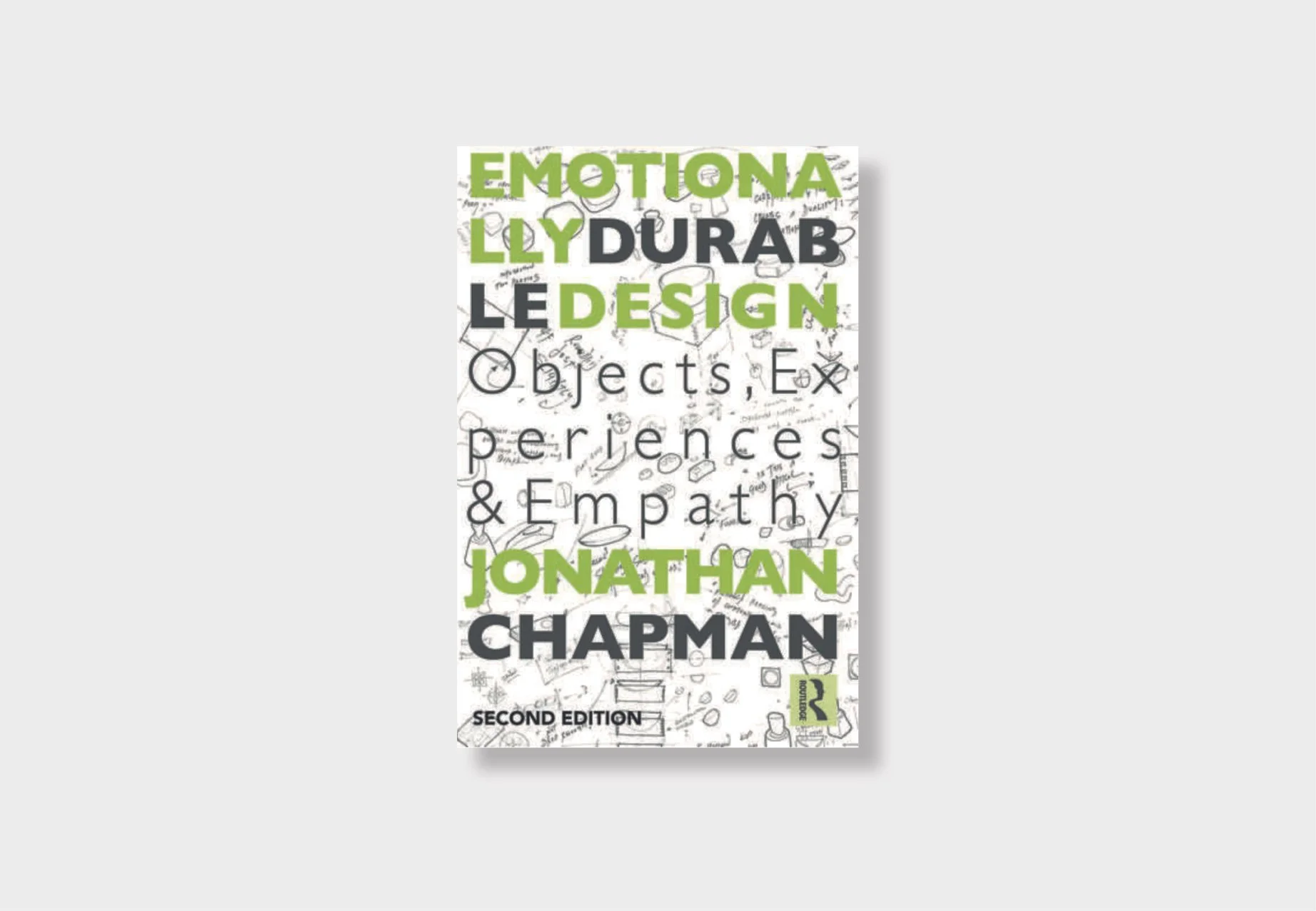
Book on Emotional Durability
Emotionally Durable Design: Objects, Experiences and Empathy
By Jonathan Chapman
Podcast on Circular Economy
Circular Design and Business Models for Longer Lasting Electronics with Tom Leenders
By Getting in the loop
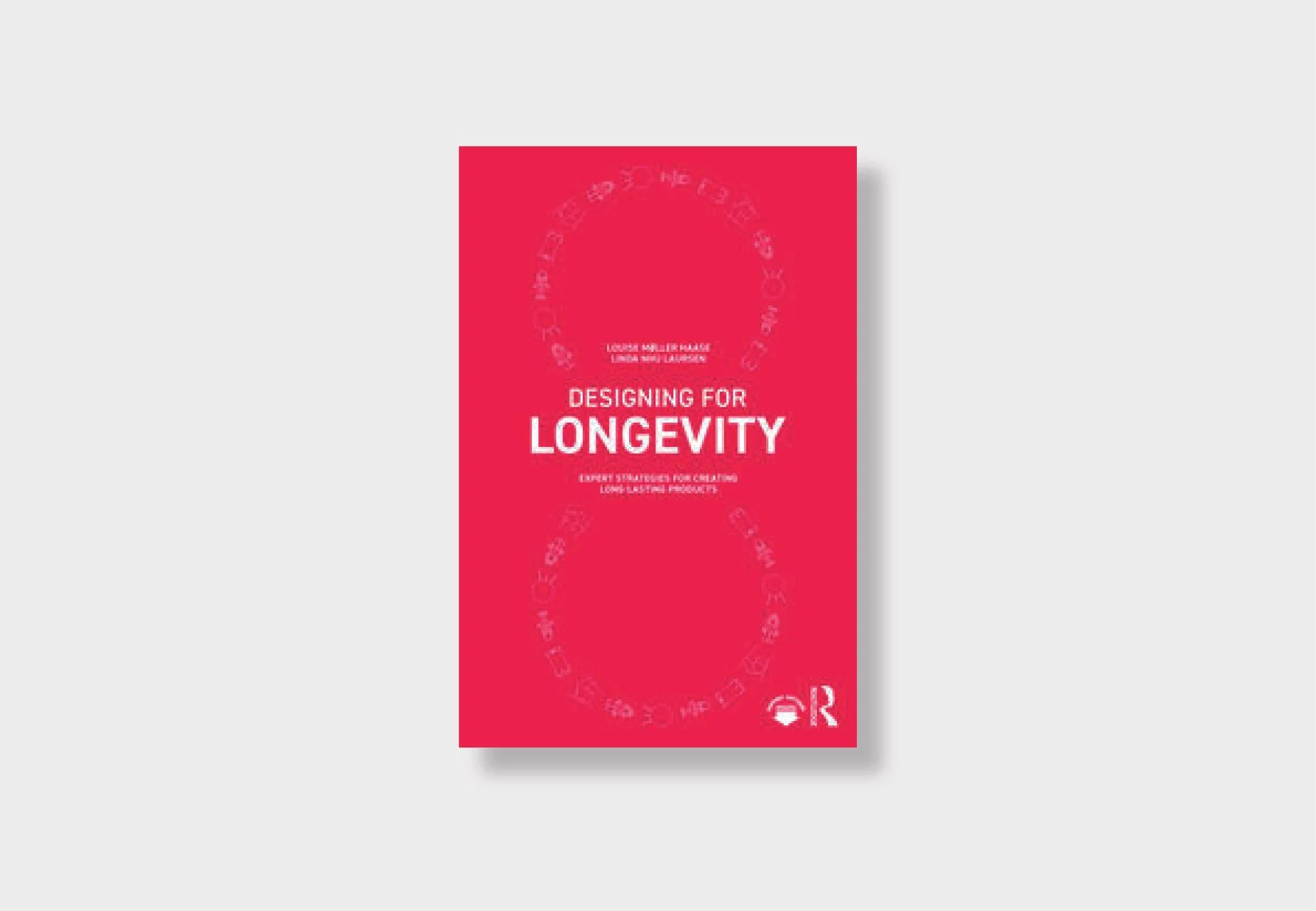
Book on Design/Circular economy
Designing for Longevity Expert Strategies for Creating Long-Lasting Products
By Louise Møller Haase, Linda Nhu Laursen
TED Talk on Attachment theory
Why are we so attached to our things?
By Christian Jarrett
Book on Emotional Durability
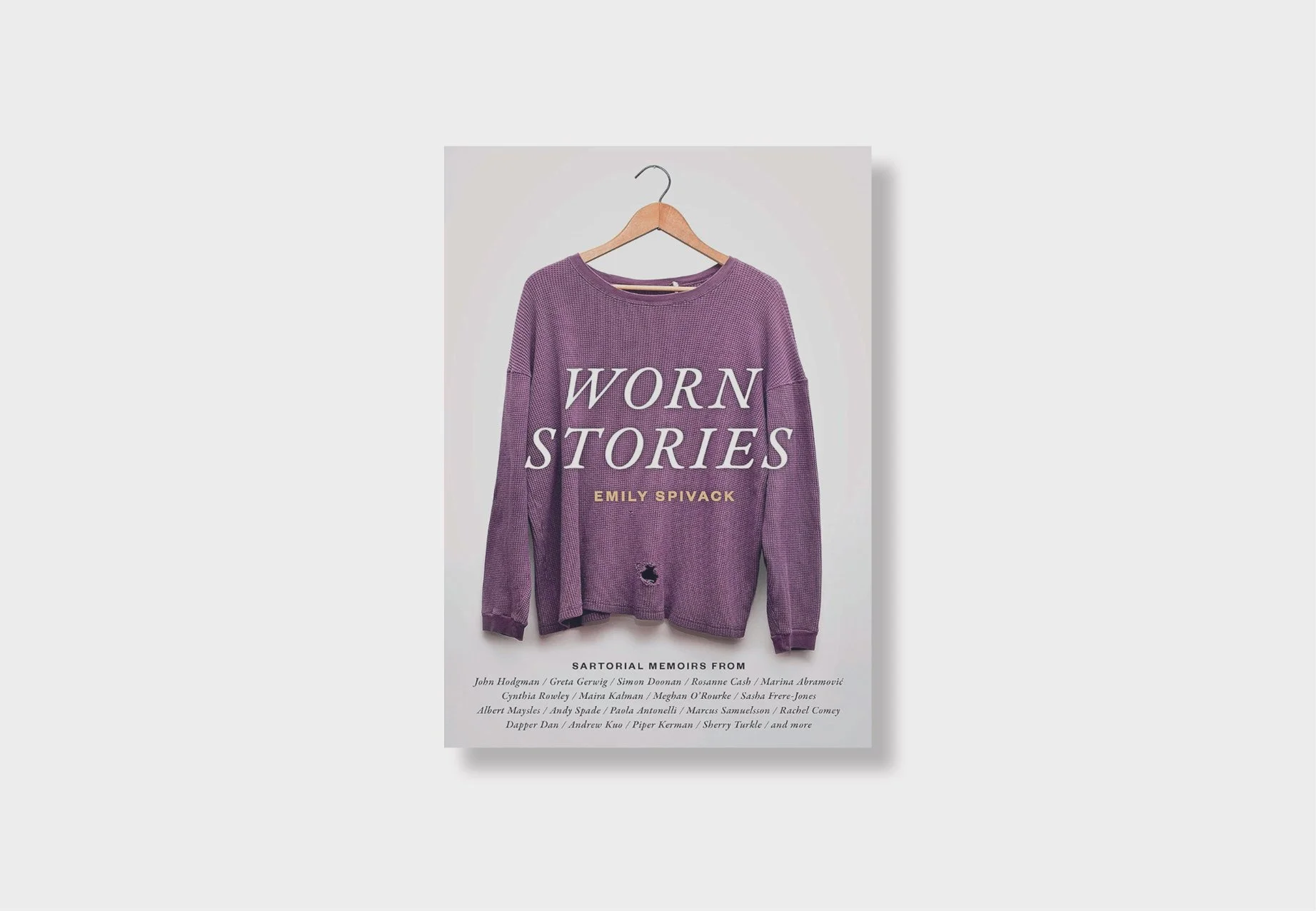
Worn Stories
By Emily Spivack
Book on Emotional Durability
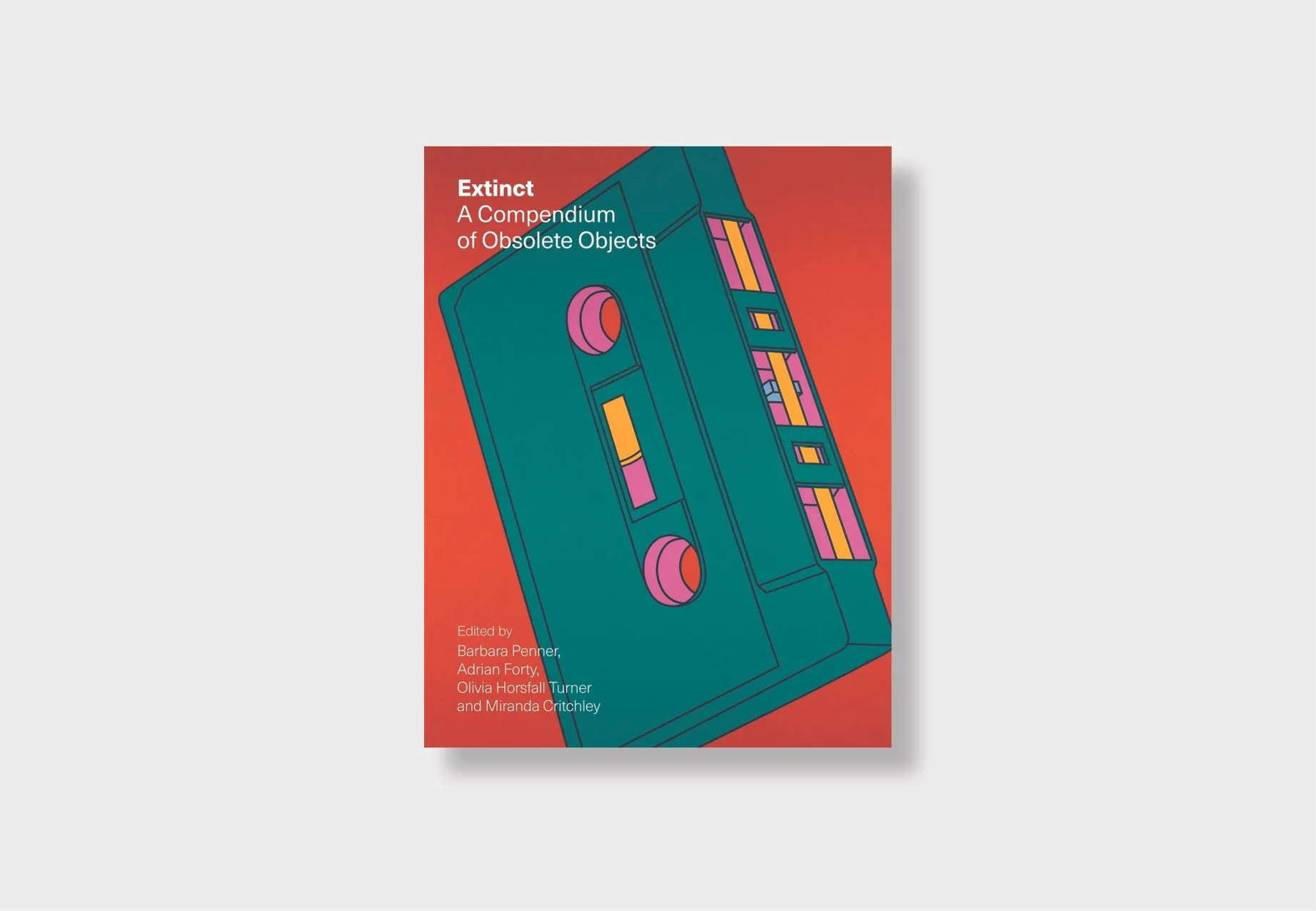
Extinct: A Compendium of Obsolete Objects
By Barbara Penner, Adrian Forty, Olivia Horsfall Turner, Miranda Critchley
Book on Emotional Durability & Design
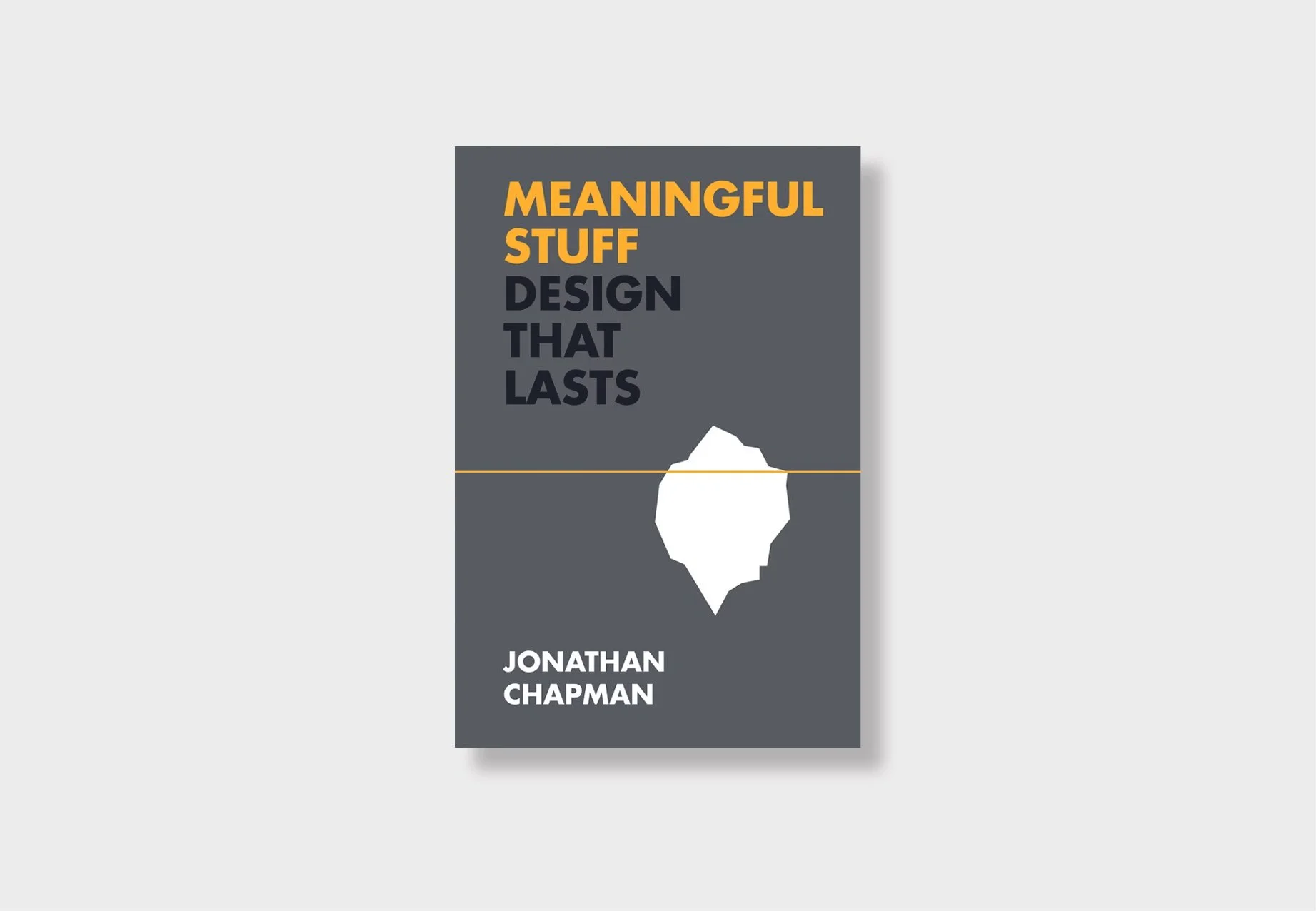
Meaningful Stuff: Design That Lasts
By Jonathan Chapman
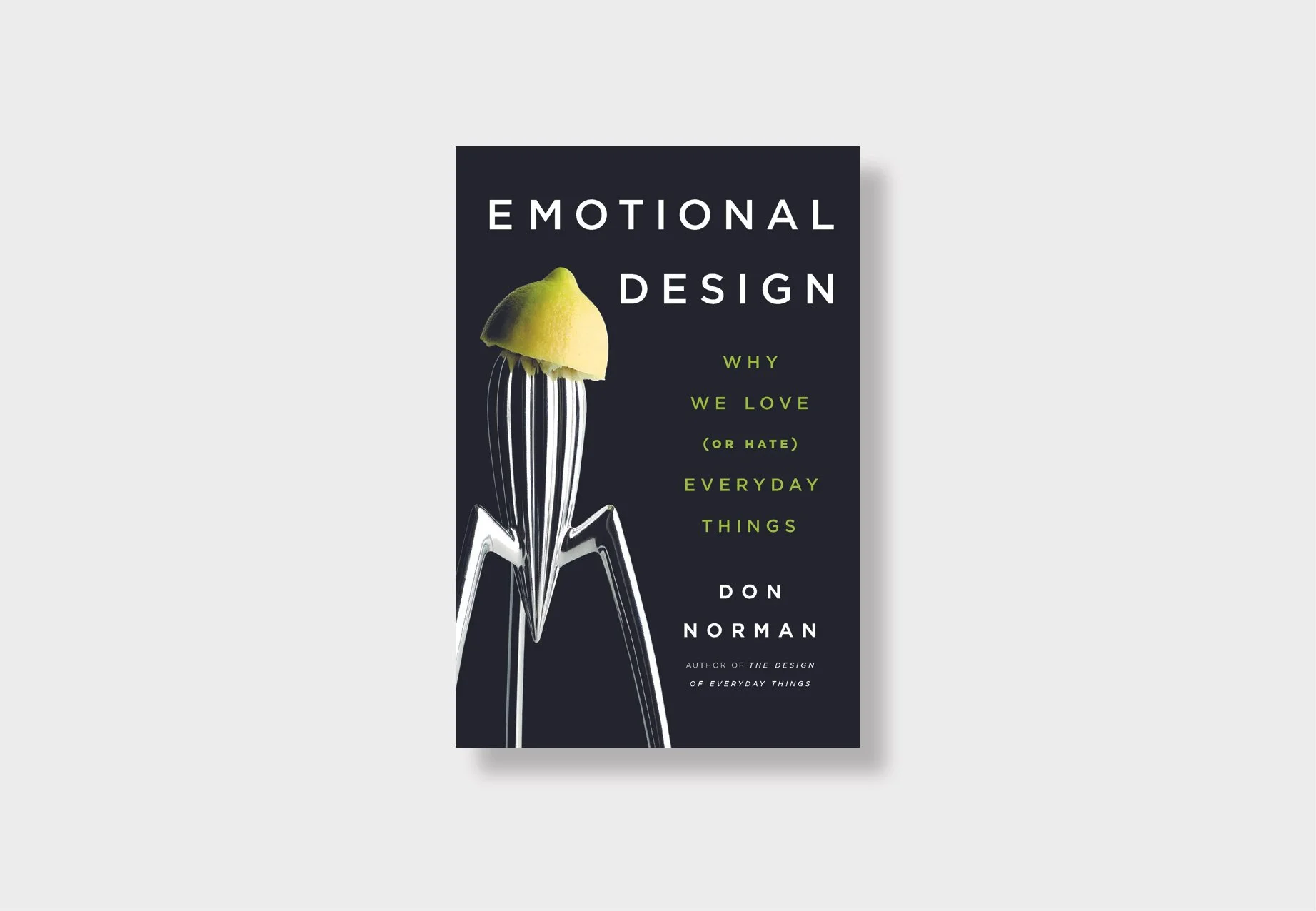
Book on Design
Emotional Design – Why we love (or hate) everyday things
By Don Norman
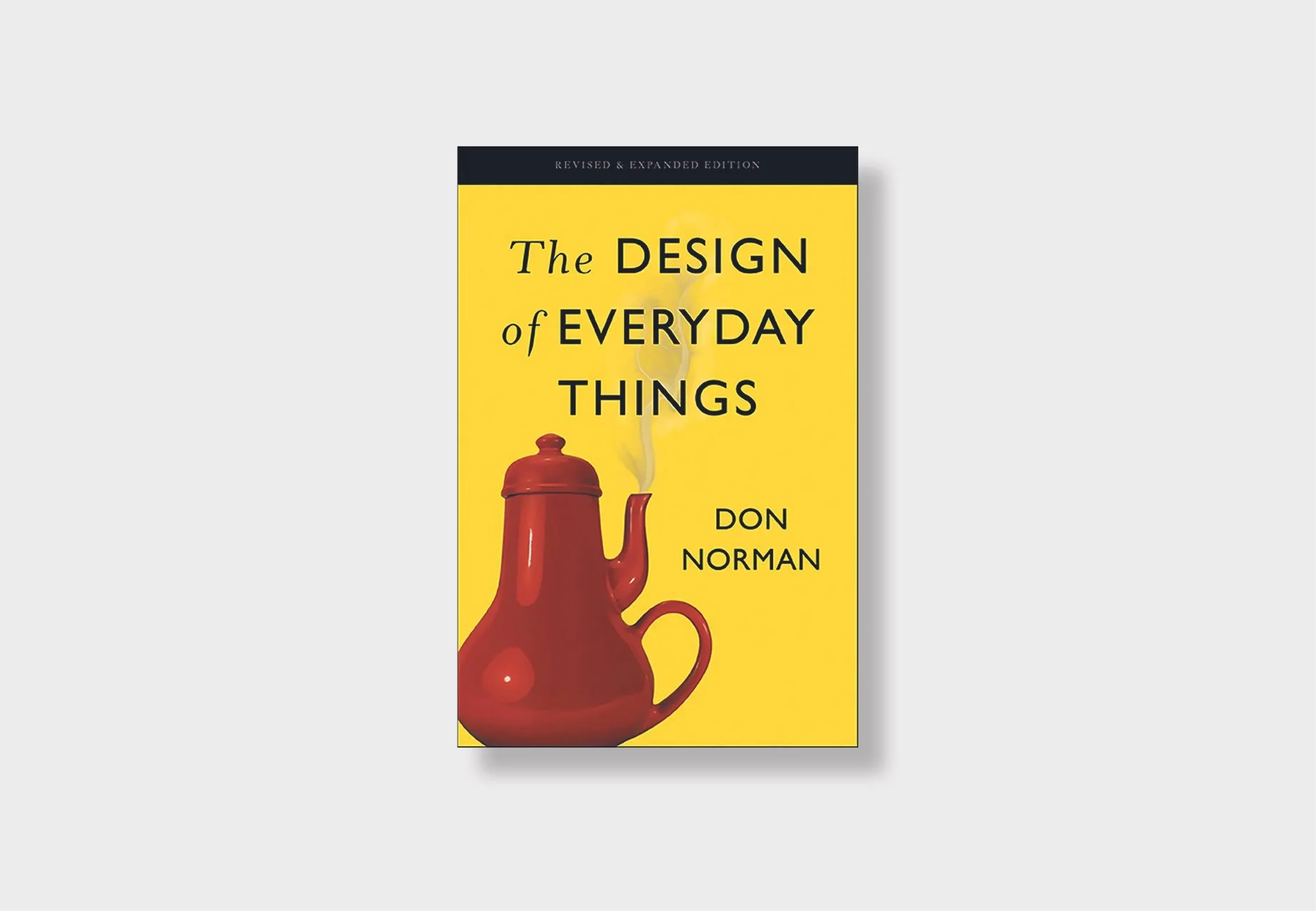
Book on Design
The Design of Everyday Things
By Don Norman
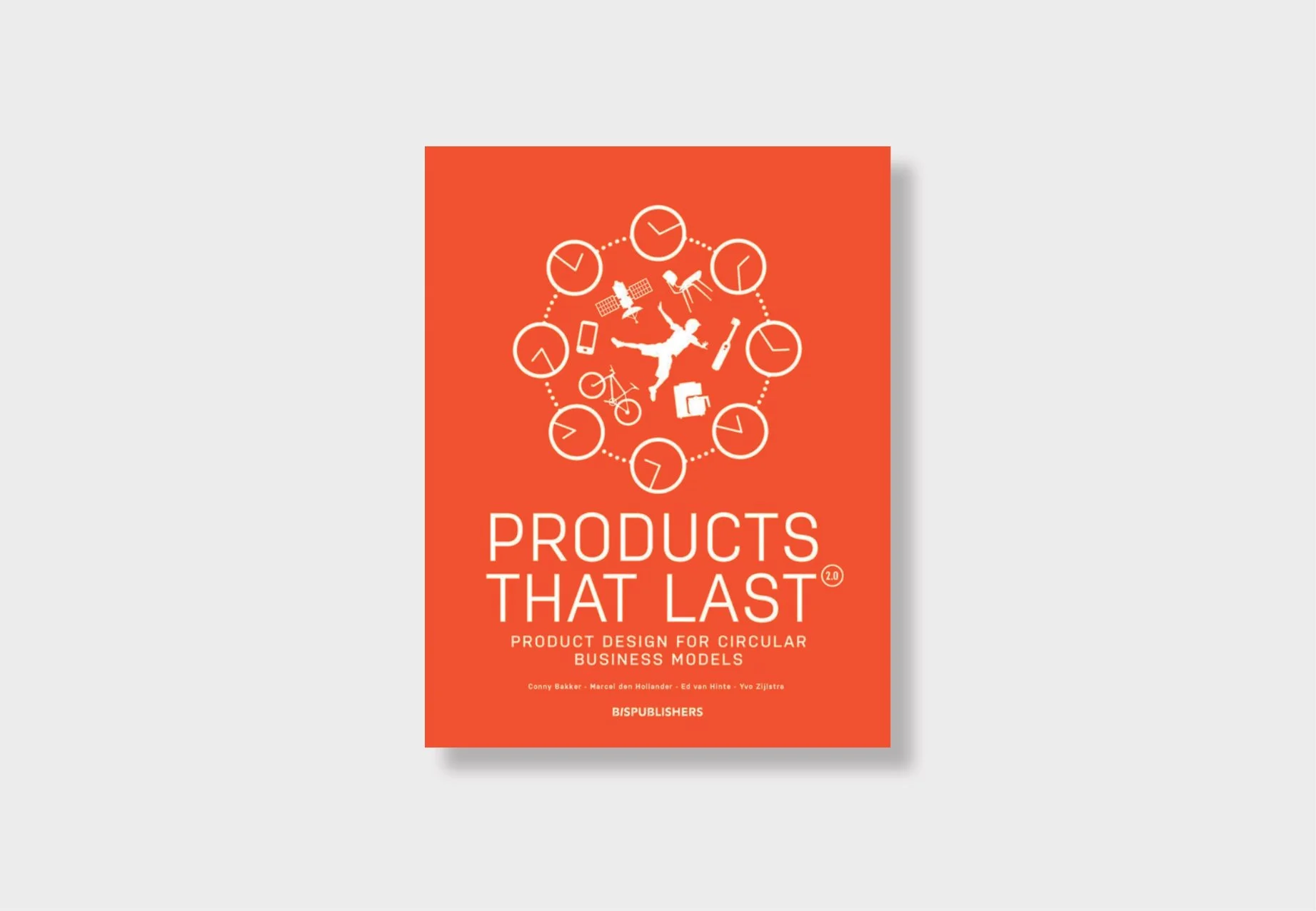
Book on Circular Economy
Products That Last: Product Design for Circular Business Models
By Conny Bakker, Marcel den Hollander & Ed van Hinte
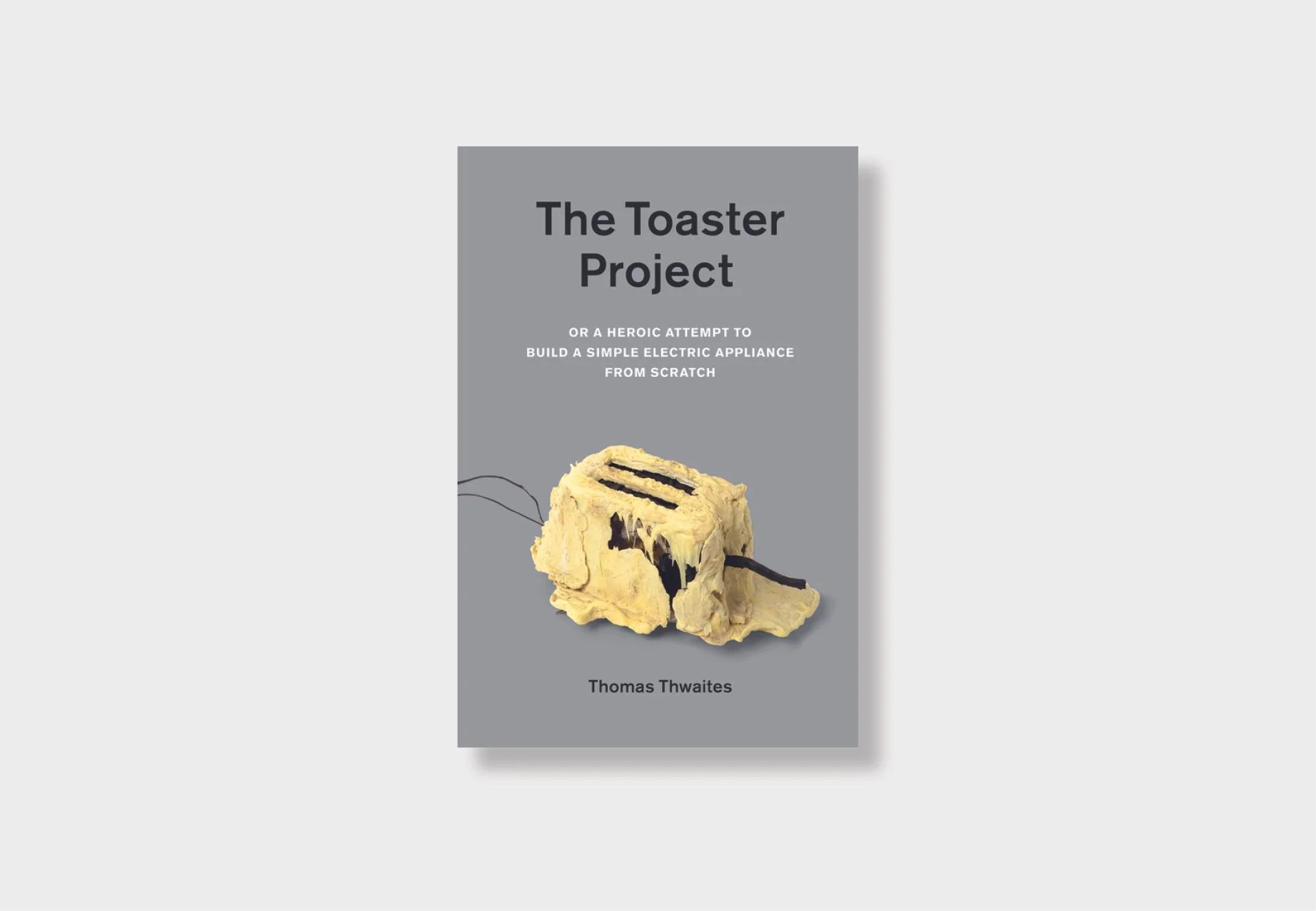
TED Talk on Design
How I built a toaster – from scratch
By Thomas Thwaites